ولد يوحنّا في الربع الأول من القرن السابع في قرية سروم الواقعة في جبل السّويديّة بالقرب من أنطاكية، أثناء الحرب بين الرومان والفرس والتي عرفها التاريخ باسم حرب استرداد الصليب. وتفيد بعض المصادر بأن نسب عائلته يتصل بملوك فرنسا حيث جاء أحد أفرادها إلى سوريا لخدمة الأمبراطورية الرومانية الشرقية (البيزنطية) وتزوج في أنطاكية وأنجب عدة أولاد منهم يوحنا مارون، الذي نهل العلم منذ صغره في أنطاكية ثم في القسطنطينية وعاد إلى سوريا حيث صار راهباً من رهبان مار مارون ثم أسقفاً.
ففي دير مار مارون على ضفّة العاصمة، والقسطنطينيّة، أتقن العلوم اللّغويّة والرّياضيّة والدّينيّة واليونانيّة والفلسفة. عاد إلى أنطاكية بعد وفاة والديه، وإلتقى بـ”إبراهيم وقورش” أولاد شقيقته. وقد دفعته غيرته إلى إصطحاب قورش إلى دير مار مارون حيث عاشا حياة التّقشّف والزّهد.
رقّيّ اٍلى درجة الكهنوت المقدّس وسمّي”يوحنّا مارون” ومطراناً فيما بعد على منطقة البترون في فينيقيّة عام 675 او 676. عمل هذا الأسقف الغيور على تنظيم أبرشيته متفانياً بخدمة النّفوس، وهديهم إلى الإيمان القويم، مناضلاً ضدّ البدع مما حمل كنيسته أن تنتخبه بطريركاً عام 685 مقدّرة له مواقفه الحازمة في وجه الإضطهادات المتلاحقة وقيادته الروحّية والوطنيّة لشعبه، الّذي رافع ودافع عنه طيلة مسيرة الدّرب الصّعبة وصولاً إلى لبنان، الّذي احتضنه في ترابه الشّماليّ في قرية كفرحي الواقعة في منطقة البترون الوسطى الشّاهدة للمعبد، الّذي دُفن فيه وُشيّد على اسمه المعروف بـ”دير مار يوحنا مارون”، وهو يحتفظ في قلب كنيسته بـ “هامة” هذا البطريرك القديس .
ففي نهاية القرن السابع كانت كنيسة أنطاكية في فوضى عارمة لم تشهد لها مثيلاً من قبل. وبعد الحروب بين بيزنطيا والمسلمين خلا الكرسي البطريركي في أنطاكية وأصبح شاغراً، وتشرد يوحنا مارون إلى دير مار مارون العاصي، ومنه إلى قرب مدينة البترون اللبنانية حيث أقام في أحد الأديرة وساس رعيته الخائفة المشتتة فكان لها أسقفاً راعيا، وقائداً روحيا وعسكرياً، ومدنياً وإدارياً عظيماً. هاجر مار يوحنّا مارون ورعيته إلى لبنان بسبب الاضطهاد الذي ألحقته بهم الجيوش البيزنطية والإسلامية. فانتقل على إثر ذلك الكرسي البطريركي إلى كفرحي – البترون حيث شُيِّد دير “ريش موران” (أي رأس مارون أو رأس سيدنا أو رأس معلمنا) لتوضع فيه جمجمة مار مارون التي وحسب التقليد يقال أن الموارنة حملوها معهم من سوريا إلى لبنان.
كان يوحنا مارون بطريركاً مناضلاً، وقائداً روحياً، راعياً ومعلماً ورجل اٍيمان وصلاة، لبّى دعوة ربِّه بسخاء صادق ، وعانى ماعاناه بطاركة الكنيسة المارونيّة الّتي كانت تعيّد له في التّاسع من شباط من كلّ عام. لكنّ هذا التّاريخ ما لبث أن نُقل على يد المثلّث الرّحمات البطريرك يوسف اسطفان إلى الثّاني من آذار بدءاً من عام 1778.
يحتلّ يوحنّا مارون موقعاً مميّزاً في تاريخ البطاركة الإنطاكيين، علماً أَنَّ اسمه – ولسبب سياسي – لم يندرج في قائمة الجدول الرّسمي للبطاركة الموالين لسلطة الأمبراطور ولإرادته المطلقة، لأنّ إنتخابه كأوّل بطريرك على الكنيسة المارونيّة لم يتم وفقاً لإرادة الملك والقصر البيزنطيّ، ممّا يدّل أوّلاً على عدم إعتراف إمبراطور بيزنطية به، وثانياً نظراً لمكانته الدّينيّة وسلطته وسلطانه. وقد تمكّن من خلال هذا كلّه من قيادة كنيسة الرّبّ التي اتّخذ إنجيلها شريعة له، وتعليمها معتقدا،ً إلى شاطئ الأمان.
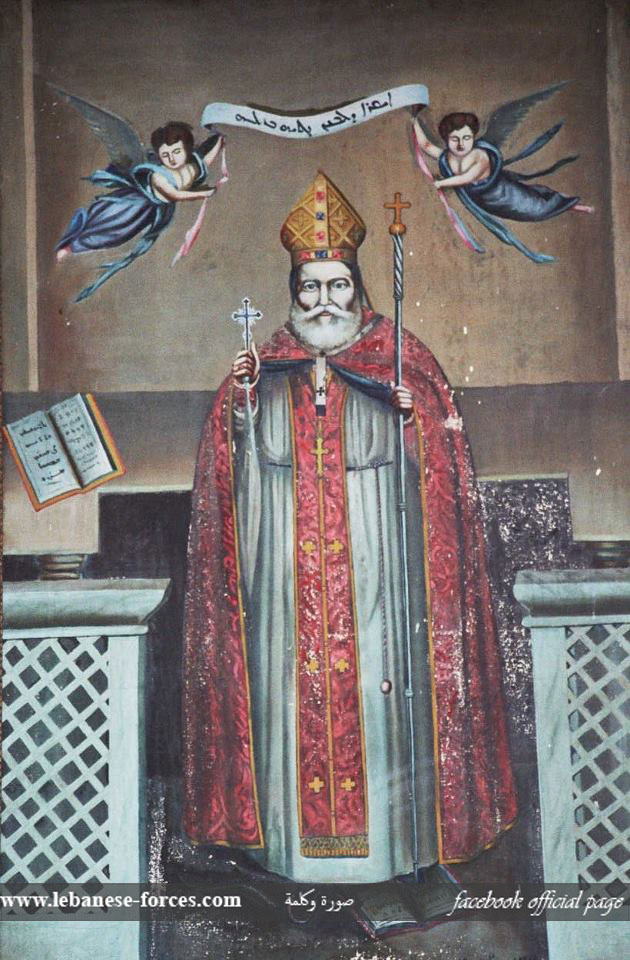
John Maron (628 – 707), was a Syriac monk, and the first Maronite Patriarch. He is revered as a saint by the Catholic Church, and celebrated on March 2
Early life
John was born in Sarum, a town located south of the city of Antioch. He was the son of Agathon and Anohamia. He was called John the Sarumite since his father was governor of Sarum. His paternal grandfather, Prince Alidipas, was the nephew of Carloman, a Frankish Prince, and governed Antioch. John was educated in Antioch and the monastery of Saint Maron studying mathematics, sciences, philosophy, theology, philology and scripture. He became a monk at the monastery of Saint Maron, adding the name Maron to his own
John studied Greek and patrology in Constantinople. Returning to Saint Maron’s, he wrote on such diverse topics as teaching, rhetoric, the sacraments, management of Church property, legislative techniques, and liturgy. He composed the Eucharistic Prayer which still bears his name. As a young priest he engaged himself in ecumenical debates with the Monophysites. Noted as a teacher and preacher, he explained Catholic dogma of the Council of Chalcedon (which focused on the nature of Jesus as both God and human), wrote a series of letters to the faithful against Monothelitism, and then travelled Syria to explain the heresy
He was consecrated bishop in 676, but assigned to Mount Lebanon with a mission to oppose heresies, keep the Maronites united with the Church, and support the faithful in an area being invaded by Arabs. He travelled extensively in the areas involved in combat, preaching, conducting Mass, tending to the sick, and sheltering the homeless. It was during this terrible period that he was given the gift of healing, curing many praying over them
The first Maronite Patriarch
The Maronites made up the bulk of the Maradite army, the so-called “Brass Wall” that shielded Constantinople and the Byzantine Empire from Arab expansion. In 686 the Maradites used their power and importance to choose John Maron, one of their own, as Patriarch of Antioch and all the East. John received the approval of Pope Sergius I, and became the first Maronite Patriarch of the oldest see in Christianity
The Byzantine emperor Justinian II feared the growing power of the Maradite army, and was angered that his approval had not been sought for the appointment of John as Patriarch. He sent his army to defeat the Maradites and capture John. They managed to win battles against the Maradites, overrun Antioch, and destroy the monastery there, killing 500 monks in the process. John, however, escaped to Lebanon. When Justinian’s army followed, the Maradites, under the leadership of John’s nephew Ibrahim, defeated them decisively, sending them home empty-handed. John then founded the monastery of Reesh Moran (head of our Lord) in Kefer Hay, Lebanon, and moved his see to Mount Lebanon. The Maradites sealed themselves off from the outside, and founded their own national and religious identity, though still part of the Catholic Church, with John seen as one of their great founders