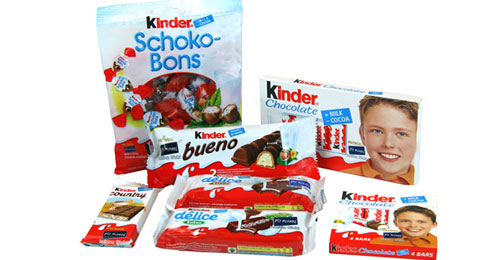
كشفت دراسة ألمانية حديثة أن تناول الأطفال لشوكولا Kinder قد تسبب لهم السرطان لاحتوائها على مستويات عالية من “هيدروكاربورات الزيوت المعدنية” التي تؤدي إلى الاصابة بالسرطان.
ولتفسير احتواء الشوكولا على هذه المواد المسرطنة، افترضت المنظمة الألمانية “فودووتش” التي أنجزت الدراسة أن التلوث يمكن أن يكون قد أصاب الشوكولا نفسها أو أغلفة المنتجات أو الآليات المستعملة في خط الإنتاج، في وقت أعلن فيه عضو الدراسة البحثية أن مستويات الزيوت الهيدروكاربورية المعدنية غير مقبولة بالمرة.
وأوصى منجزو هذه الدراسة المستهلكين بعدم شراء واستهلاك Kinder، بسبب وجود نوعين من الزيوت الهيدروكاربورية في “كيندر شوكولا” و”كيندر ماكسي” وهي الزيوت التي يمكن أن تتسبب في الإصابة بالسرطان؛ خاصة إذا تم استهلاكها بكميات كبيرة.
كما طالبت الجهة المنجزة لهذه الدراسة بعدم شراء المنتجات الأخرى التي تنتجها هذه الشركة لما بها من مخاطر على صحة الإنسان، إلى حين تقديم توضيحات من طرف الجهة المعنية وتصحيح الوضع والعودة بمقادير هذه المواد المستعملة من أجل إضفاء النكهة والرائحة على الشوكولا إلى معدلات الصفر ضمانا للصحة العامة.
هذا ولم تتخذ الشركة المنتجة لهذه الشوكولا أي إجراء إلى حد الآن، كما ترفض سحب منتجاتها من الأسواق.
A German food watchdog has called for Kinder chocolate bars, as well as other foods, to be recalled after tests found they contain dangerous levels of what have been described as “likely carcinogens”.
Foodwatch said that mineral oil aromatic hydrocarbons (MOAHs), which are created when oil is refined, have been found in the products.
The watchdog tested 20 different products and found three with what it said were “dangerous” levels of the oil byproduct.
Foodwatch has since asked that Ferrero’s Kinder Riegel chocolate bar, Lindt’s Fioretto Nougat Minis and one other German product be taken off sale.
In a statement on their website, the watchdog said: “Foodwatch had the the producers concerned informed in advance about the test results and called for a public recall.
“They refused, however, to remove products from sale.
The European Food Safety authority describes MOAHs as “likely carcinogenic and mutagenic”.
Johannes Heeg, from Foodwatch, said: “Instead of clearing the candy from the shelves and alerting consumers, they [say]… that everything was undertaken legally.”
Speaking to the German edition of The Local, Mr Heeg said: “You can’t see it, you can’t taste it, but it’s in there
“We recommend not purchasing these products because the levels are simply unacceptable for consumption.”
The Association of the German Confectionary Agency last week issued a statement that the levels of MOAHs that Foodwatch found could “be consumed without concern”.