



كتب رائد جرجس في “المسيرة” – العدد 1725
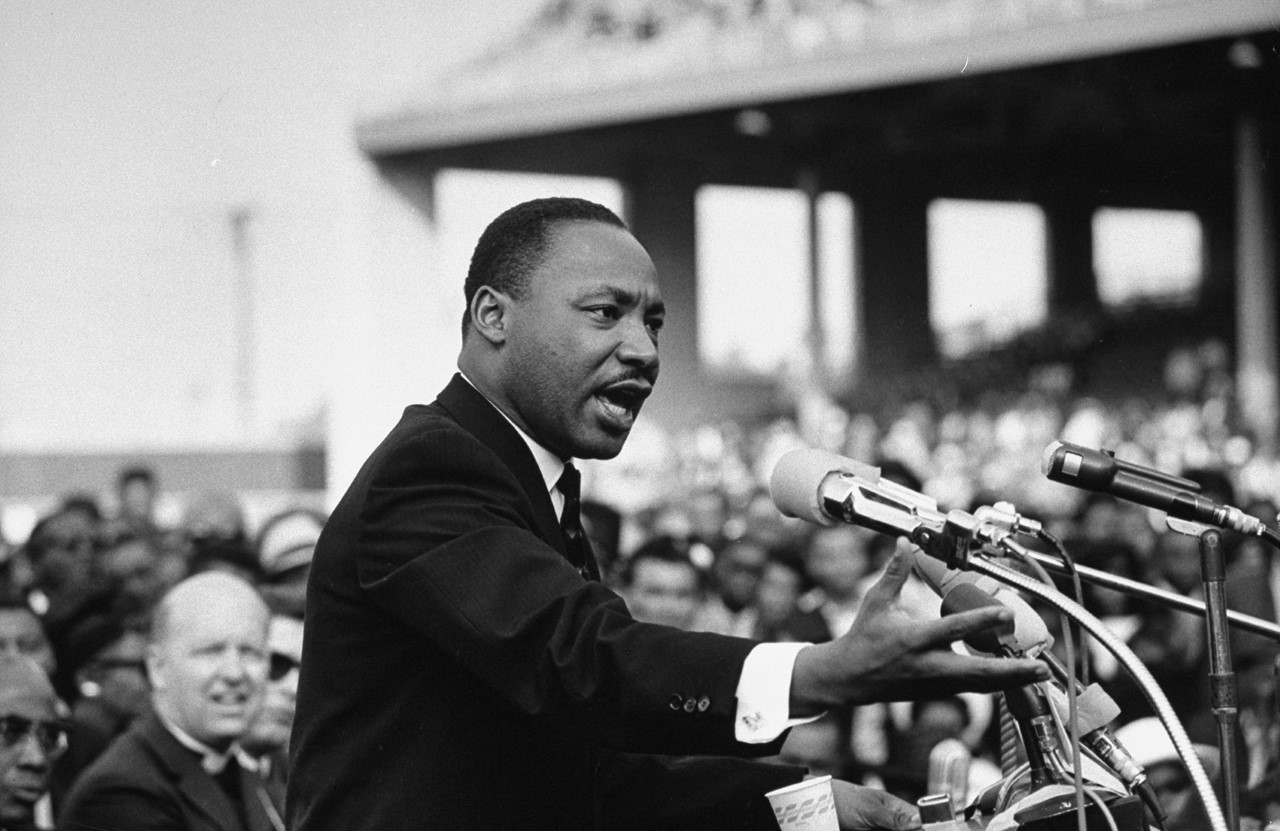
في زمن الميلاد، يرزح اللبنانيون تحت وطأة القهر والقلة والعذاب اليومي في وضع لم يألفوه حتى في أحلك أيام الحرب. لذا ومع انسداد كل أفق زمني دنيوي، لا يبقى أمامنا إلا العيش على رجاء القيامة بعد الميلاد، آملين أن يُفتح لنا بابٌ سماوي من خلال التأمل الروحي. وعلى رجاء القيامة والخلاص أعود إلى الخطاب الأخير للدكتور مارتن لوثر كينغ عشية اغتياله، وهو المناضل في سبيل حقوق الإنسان الذي دفع حياته ثمنًا لهذا النضال. لقد قارن كينغ معاناة شعبه بسبب التمييز العنصري في ستينات القرن الماضي (الأميركيون من أصول أفريقية) بمعاناة شعب إسرائيل عند خروجه من مصر نحو أرض الميعاد حسب ما ذكر الكتاب المقدس، العهد القديم- سفر الخروج. ويدفعني هذا الخطاب الشهير إلى التأمل في معاناتنا نحن اللبنانيين كما معاناة شعوب عديدة عبر التاريخ القديم والتاريخ الحديث. فقد برهنت الأحداث أنه ليس هناك قهرٌ إلا وسينتهي، اللهم إذا بدأ المقهورون بالنضال الفعلي، فكريًا وسياسيًا وروحيًا.
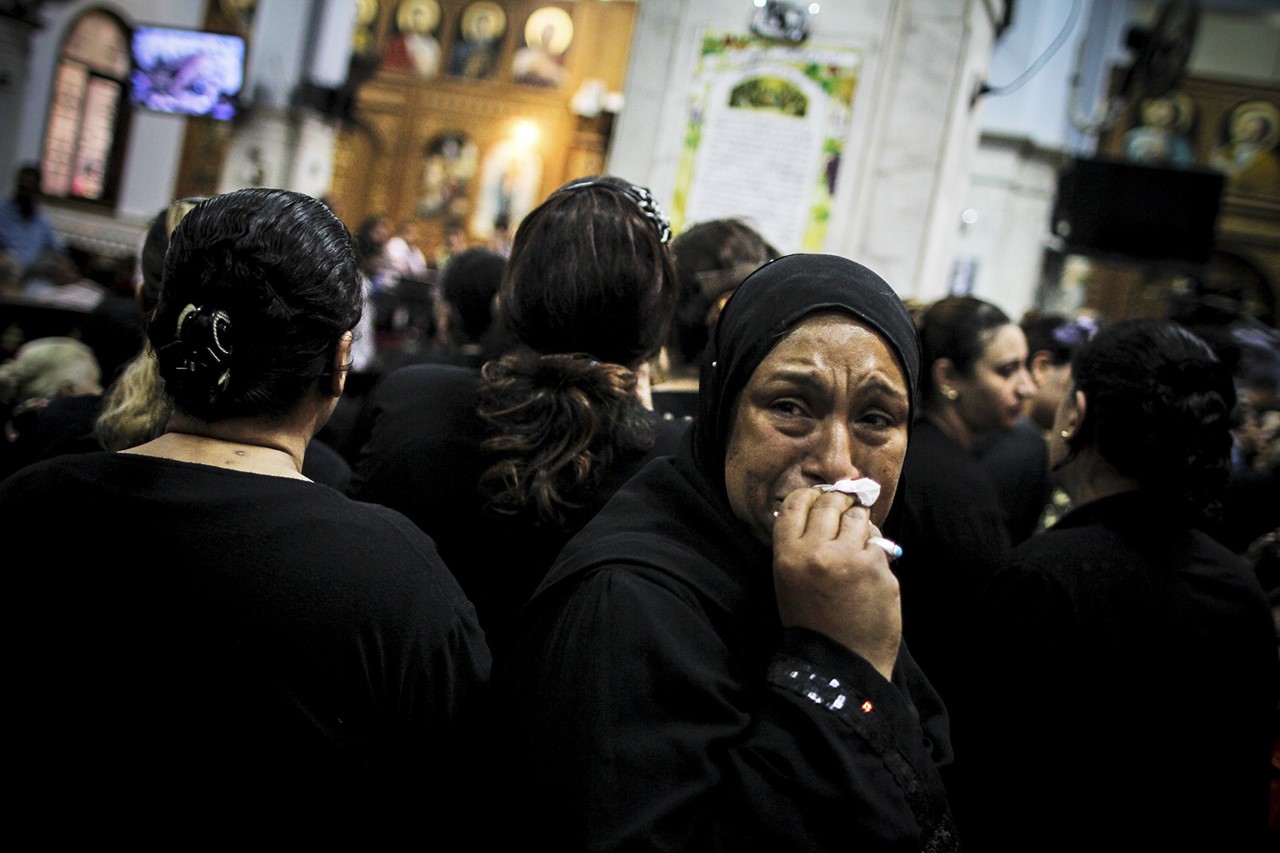
إن معاناة شعب إسرائيل المذكورة في سفر الخروج تنطبق على العديد من الشعوب التي عانت بدورها من خلال أحداث طبعت ذاكرتنا وما زالت حتى اليوم. وبعض هذه الشعوب استمرت معاناتها أكثر من أربعين سنة لتعبُر «صحراء عذاباتها» قبل الوصول إلى «أرض الميعاد»، أي الخلاص الأرضي المنتظر. معاناة الأقليات في الشرق الأوسط وخصوصًا المسيحيين تشكل مثلاً صارخًا لهذه العذابات بدءًا بالحروب المدمرة والإضطهادات في لبنان والعراق وسوريا ومصر. ولا ننسى معاناة واضطهاد المسيحيين الأرمن في بداية القرن العشرين الذين اضطروا إلى الهرب من مجازر العثمانيين واللجوء إلى بلدان عديدة. مات مئات الآلاف بسبب هذه المجازر وامّحت أو تشتتت آلاف العائلات. ونذكر كذلك معاناة المسيحيين في نيجيريا بسبب إضطهاد وإرهاب المتطرفين. ولا تقتصر هذه المآسي على المسيحيين فقط أو على منطقة معينة بل شملت أيضًا أقليات في مناطق عديدة من العالم، كالمجازر التي نفذتها قبائل الهوتو بحق قبائل التوتسي في رواندا سنة 1994 والتي ذهب ضحيتها حوالي 800 ألف إنسان. مثل آخر عن معاناة امتدت على مدى قرون وحتى يومنا هذا هي العنصرية تجاه السود. لقد عانى السود من العبودية والتمييز العنصري منذ قرون مرورًا بزمن العبودية في الولايات المتحدة الأميركية والتمييز العنصري كما في جنوب أفريقيا الذي دام حتى سنة 1991 إضافة إلى غيرها من الأحداث الدامية التي تذكرنا بين الحين والآخر بأن الطريق لا يزال طويلاً للوصول إلى المساواة بين البشر وإلى غلبة الحق على الباطل.
سار مئات ملايين الرجال والنساء والأطفال طريق الجلجلة في كافة أنحاء العالم وفي فترات مختلفة من التاريخ. كافحوا وناضلوا بطرق سلمية أحيانًا ودموية أحيانًا أخرى لاكتساب حقوقهم في المساواة بين أبناء الوطن الواحد، أبناء الله الذين خُلقوا على صورته. «أرض الميعاد» إذًا بالنسبة إلى المضطهَدين كانت أحيانًا تجسد الوصول إلى مكانٍ آخر، أي مكان للهروب من الموت والعيش بسلام. وكانت في أحيانٍ أخرى تجسد الأمل بالوصول إلى قوانين تحميهم، هذه القوانين التي من المفترض أن تكون قد وُضِعت للجميع سواسية لأن الإنسان يولد حرًا ومتساويًا في الحقوق والواجبات مع أبناء مشربه. يقول القديس أغسطينوس أن القانون إذا لم يكن عادلاً فإنه ليس بقانون. لذا ناضل «العبيد» والسود والأقليات المضطهَدة عبر التاريخ وعبر العالم بدون كلل لإزالة القوانين الظالمة بحقهم وتطبيق القوانين العادلة للجميع. إنها المعاناة المستمرة بالنسبة للأقليات والمضطهَدين والمقهورين والمظلومين، أنه «سفرُ خروجٍ» مستمر نحو «أرض الميعاد» المنتظرة، والتي لن يصلوها إلا متسلحين بالإيمان والإرادة الصلبة.
تكررت معاناة شعب إسرائيل في مصر عبر التاريخ مع شعوب أخرى، ومن الممكن أن تتكرر أيضًا في المستقبل حتى انتهاء الزمن بأشكال مختلفة ومع شعوب متعددة بانتظار الخلاص أو الوصول إلى «أرض الميعاد».
إخترت خطاب مارتن لوثر كينغ الأخير في 3 نيسان 1968، أي قبل يوم من اغتياله، وهو من أعظم الخطباء في التاريخ الذين يوصلون الرسالة من خلال أجمل الصور الفكرية المعبّرة. تحدث كينغ مرات عديدة في خطابه عن سفر الخروج بطريقة مباشرة وغير مباشرة مقارنًا الطريق الذي يسلكه «إخوته وأخواته» في مسيرتهم نحو الحرية بتلك التي سلكها شعب إسرائيل مع موسى نحو أرض الميعاد.
ارتأيت أنه من الأفضل الإبقاء على المقاطع المعبرة التي اخترتها من خطاب كينغ في اللغة الأصلية (الإنكليزية) للمحافظة على المنحى العاطفي والدلالات المرتبطة بشكل أفضل. ومن المفضل سماع ومشاهدة الخطاب وليس فقط قراءة المقاطع المختارة هنا للإحساس بقوة هذا الخطاب العاطفي الذي يتحدث عن معاناة شعبه الذي ينتظر الوصول إلى أرض ميعاده والتي تعني في هذا السياق: الحرية والمساواة على الأرض. وها نحن اليوم، كلبنانيين نقف في منتصف الطريق نحو «أرض الميعاد» التي طال انتظارنا للولوج إليها، متسلحين بالأقوى: الإيمان بالرب. أرض ميعادنا تتمثل بوطن يضمن المساواة والعدل بين الناس والسلام الداخلي والخارجي بين البشر. وطن يجسد قيمة وقيَم الإنسان، كل إنسان من خلق الله. ما زال الطريق طويلاً ويزداد ظلمة أحيانًا، لكن كما قال كينغ في خطابه: «العالم كله متخبط. الأمة مريضة. الإضطرابات في الأرض، والضياع من حولنا…لكنني على يقين أنه فقط عندما يكون الظلام دامسًا نستطيع رؤية النجوم.»
في ما يلي مقتطفات من خطاب مارتن لوثر كينغ: «لقد كنت على قمة الجبل»
“I’ve been to the mountaintop”:
“…the world is all messed up. The nation is sick. Trouble is in the land; confusion all around…But I know, somehow, that only when it is dark enough can you see the stars.”
“I would watch God’s children in their magnificent trek from the dark dungeons of Egypt through, or rather across the Red Sea, through the wilderness on toward the promised land.”
Something is happening in Memphis; something is happening in our world. And you know, if I were standing at the beginning of time, with the possibility of taking a kind of general and panoramic view of the whole of human history up to now, and the Almighty said to me, “Martin Luther King, which age would you like to live in?” I would take my mental flight by Egypt and I would watch God’s children in their magnificent trek from the dark dungeons of Egypt through, or rather across the Red Sea, through the wilderness on toward the promised land. And in spite of its magnificence, I wouldn’t stop there.
I would move on by Greece and take my mind to Mount Olympus. And I would see Plato, Aristotle, Socrates, Euripides and Aristophanes assembled around the Parthenon. And I would watch them around the Parthenon as they discussed the great and eternal issues of reality. But I wouldn’t stop there.
I would go on, even to the great heyday of the Roman Empire. And I would see developments around there, through various emperors and leaders. But I wouldn’t stop there.
I would even come up to the day of the Renaissance and get a quick picture of all that the Renaissance did for the cultural and aesthetic life of man. But I wouldn’t stop there.
I would even go by the way that the man for whom I am named had his habitat. And I would watch Martin Luther as he tacked his ninety-five theses on the door at the church of Wittenberg. But I wouldn’t stop there.
I would come on up even to 1863 and watch a vacillating President by the name of Abraham Lincoln finally come to the conclusion that he had to sign the Emancipation Proclamation. But I wouldn’t stop there.
…Strangely enough, I would turn to the Almighty, and say, “If you allow me to live just a few years in the second half of the 20th century, I will be happy.”
Now that’s a strange statement to make because the world is all messed up. The nation is sick. Trouble is in the land; confusion all around. That’s a strange statement. But I know, somehow, that only when it is dark enough can you see the stars. And I see God working in this period of the twentieth century in a way that men, in some strange way, are responding.
Something is happening in our world. The masses of people are rising up. And wherever they are assembled today, whether they are in Johannesburg, South Africa; Nairobi, Kenya; Accra, Ghana; New York City; Atlanta, Georgia; Jackson, Mississippi; or Memphis, Tennessee — the cry is always the same: “We want to be free.”
…We mean business now, and we are determined to gain our rightful place in God’s world.
And that’s all this whole thing is about. We aren’t engaged in any negative protest and in any negative arguments with anybody. We are saying that we are determined to be men. We are determined to be people. We are saying — We are saying that we are God’s children. And that we are God’s children, we don’t have to live like we are forced to live.
Now, what does all of this mean in this great period of history? It means that we’ve got to stay together. We’ve got to stay together and maintain unity. You know, whenever Pharaoh wanted to prolong the period of slavery in Egypt, he had a favorite, favorite formula for doing it. What was that? He kept the slaves fighting among themselves. But whenever the slaves get together, something happens in Pharaoh’s court, and he cannot hold the slaves in slavery. When the slaves get together, that’s the beginning of getting out of slavery. Now let us maintain unity.
… Like anybody, I would like to live a long life. Longevity has its place. But I’m not concerned about that now. I just want to do God’s will. And He’s allowed me to go up to the mountain. And I’ve looked over. And I’ve seen the Promised Land. I may not get there with you. But I want you to know tonight, that we, as a people, will get to the promised land!
And so I’m happy, tonight.
I’m not worried about anything.
I’m not fearing any man!
Mine eyes have seen the glory of the coming of the Lord!!
المراجع:
فيديو: الجزء الأخير من خطاب كينغ حين يذكر مرة أخرى “أرض الميعاد”
https://www.youtube.com/watch?v=xZQdANyuh34 , visited on 21 Decembre 2021.
Tusason, R. The biblical Exodus in the Rhetoric of Martin Luther King, The Stanford Freedom Project, site web: https://stanfordfreedomproject.com/multi-media-essays-on-freedom/the-biblical-exodus-in-the-rhetoric-of-martin-luther-king/ , visited on 21 Decembre 2021.
American Rhetoric, Top 100 Speeches, site web: https://www.americanrhetoric.com/speeches/mlkivebeentothemountaintop.htm ,visited on 21 Decembre 2021.
Youtube, video extract from the speech of Martin Luther King, web address: https://www.youtube.com/watch?v=xZQdANyuh34 , visited on 21 Decembre 2021.
للإشتراك في “المسيرة” Online:
http://www.almassira.com/subscription/signup/index
from Australia: 0415311113 or: australia@almassira.com